
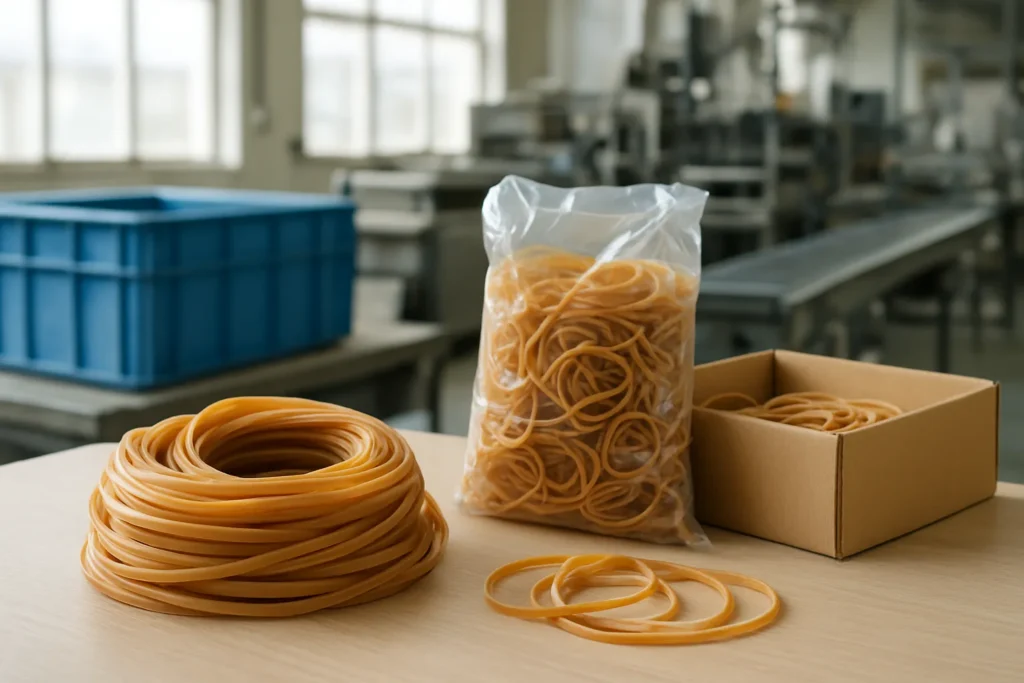
Choosing the Right Bulk Rubber Bands for Manufacturing Efficiency
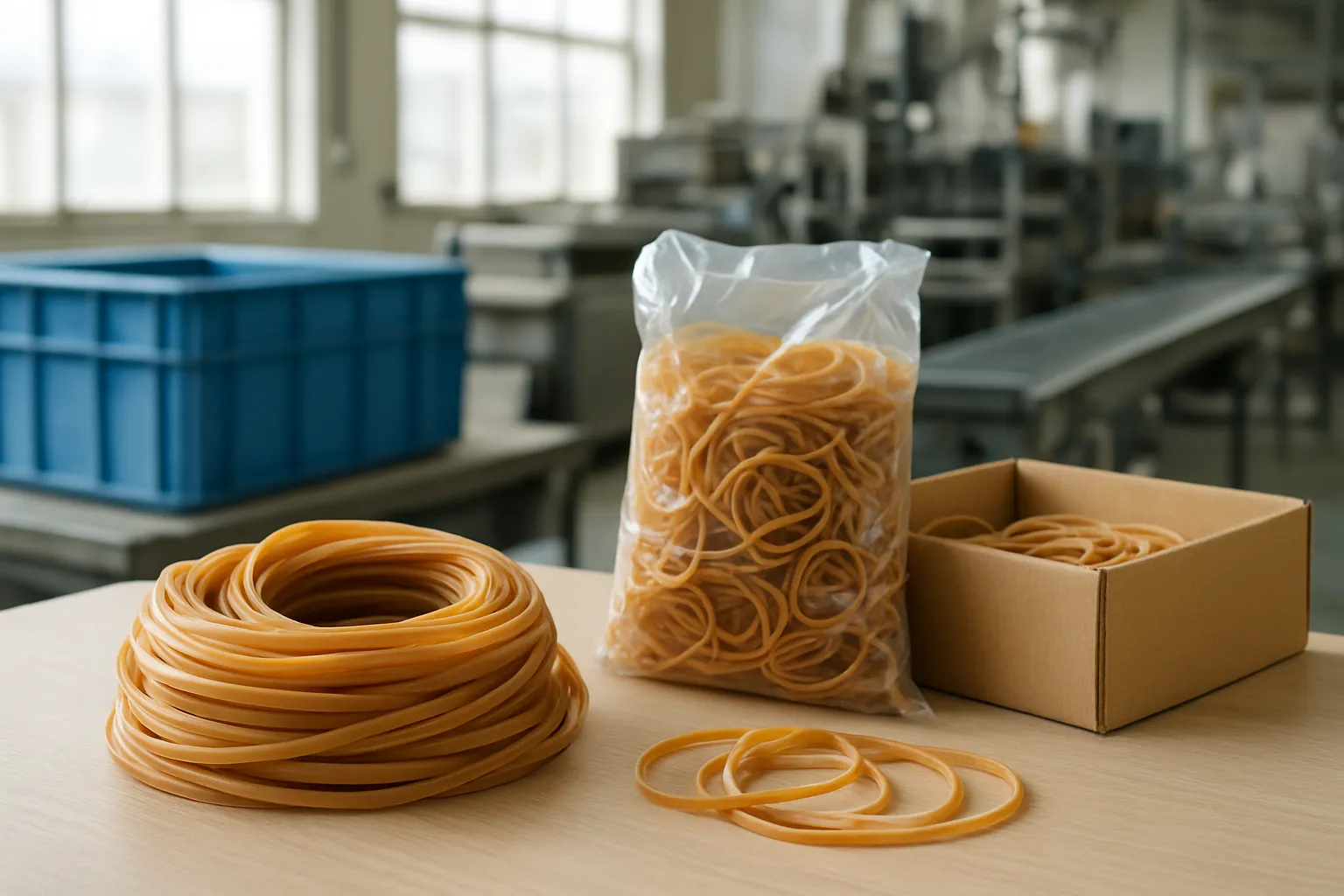
In the fast-paced world of manufacturing, efficiency and reliability are crucial. Bulk rubber bands are more than just simple office supplies; they are essential tools that support various processes, from organizing to securing and packaging products. Specifically designed for heavy-duty applications, industrial rubber bands offer enhanced strength and durability, making them ideal for demanding manufacturing environments. Recognizing the significance of these products can profoundly influence operational efficiency and cost-effectiveness. For further insights on selecting the right products, visit Products – Lanxi Wangxing Plastic Co., Ltd.
Specifications of Bulk Rubber Bands
When choosing bulk rubber bands for your manufacturing needs, it’s vital to consider their specifications:
- Material Types: Rubber bands are generally made from either natural rubber or synthetic materials like latex or silicone. Natural rubber bands are renowned for their elasticity and strength, while synthetic options often provide enhanced resistance to environmental factors, such as heat and UV light.
- Size and Thickness Options: Rubber bands come in a variety of sizes and thicknesses, typically measured in inches and gauge. Selecting the appropriate size is crucial for its intended application, whether securing a bundle of materials or packaging products for shipment.
- Strength and Durability Ratings: Industrial rubber bands are rated according to their tensile strength and durability. Opting for bands with the right strength ratings ensures they can handle the rigors of manufacturing processes without breaking or losing elasticity.
Use Cases for Industrial Rubber Bands
Industrial rubber bands serve a wide range of applications in manufacturing:
- Applications in Manufacturing: These rubber bands are frequently used to hold items together, such as stacks of documents, tools, or components during assembly. Their flexibility allows for easy adjustments and secure binding.
- Benefits for Packaging and Shipping: In packaging, bulk rubber bands help secure products within boxes, preventing movement during transit. They are also effective for bundling multiple items, which can reduce packaging materials and associated costs.
- Role in Assembly Lines: On assembly lines, rubber bands can temporarily hold components in place, facilitating smoother operations and reducing the likelihood of errors.
Comparing Different Types of Rubber Bands
Understanding the differences between standard and industrial rubber bands can help businesses make informed purchasing decisions:
- Standard vs. Industrial Rubber Bands: Standard rubber bands are suitable for light-duty tasks, while industrial rubber bands are designed for heavy-duty applications, providing superior strength and resilience.
- Cost-Effectiveness Analysis: Although industrial rubber bands may have a higher initial cost, their durability often results in long-term savings by reducing the frequency of replacements and minimizing downtime.
- Performance Metrics: When comparing different rubber bands, consider performance metrics such as stretchability, load capacity, and resistance to environmental factors. These metrics can guide businesses in selecting the most suitable rubber bands for their specific needs.
Sourcing Bulk Rubber Bands
Finding the right supplier is essential for ensuring quality and reliability in bulk rubber band procurement:
- Finding Reliable Suppliers: Research potential suppliers by reviewing their feedback, industry reputation, and experience with manufacturing clients. A trustworthy supplier should have a proven history of delivering quality products.
- Evaluating Quality and Compliance: Ensure that the rubber bands meet industry standards and regulations. Requesting samples can help assess quality and make informed decisions.
- Negotiating Bulk Purchase Agreements: When sourcing bulk rubber bands, negotiate terms that benefit both parties, considering factors like pricing, delivery schedules, and return policies.
Implementation in Manufacturing Processes
Once you’ve sourced the appropriate rubber bands, effective implementation is key:
- Best Practices for Usage: Train staff on the correct use of rubber bands to maximize their effectiveness, which includes understanding the appropriate size and strength for specific tasks.
- Storage and Handling Tips: Store rubber bands in a cool, dry location to prevent degradation. Avoid exposure to direct sunlight or extreme temperatures, which can compromise elasticity.
- Integration with Existing Systems: Consider how rubber bands fit into your current manufacturing processes. Streamlining their use can enhance efficiency and productivity.
Frequently Asked Questions
- What to Consider When Buying? Consider factors such as size, strength, material, and intended application when purchasing bulk rubber bands.
- How to Determine Quantity Needs? Assess your production volume and usage frequency to estimate the quantity of rubber bands required. Buying in bulk often yields cost savings.
- Common Misconceptions About Rubber Bands: Many people assume that all rubber bands are the same. However, differences in material, strength, and application can significantly affect performance.
In conclusion, choosing the right bulk rubber bands for your manufacturing needs is vital for optimizing processes and ensuring product integrity. By understanding their specifications, applications, and sourcing strategies, businesses can make informed decisions that enhance operational efficiency. With the right industrial rubber bands, manufacturers can improve their packaging, shipping, and assembly line processes, ultimately leading to increased productivity and cost savings. For more technical references, check out technical reference – Engineering360.