
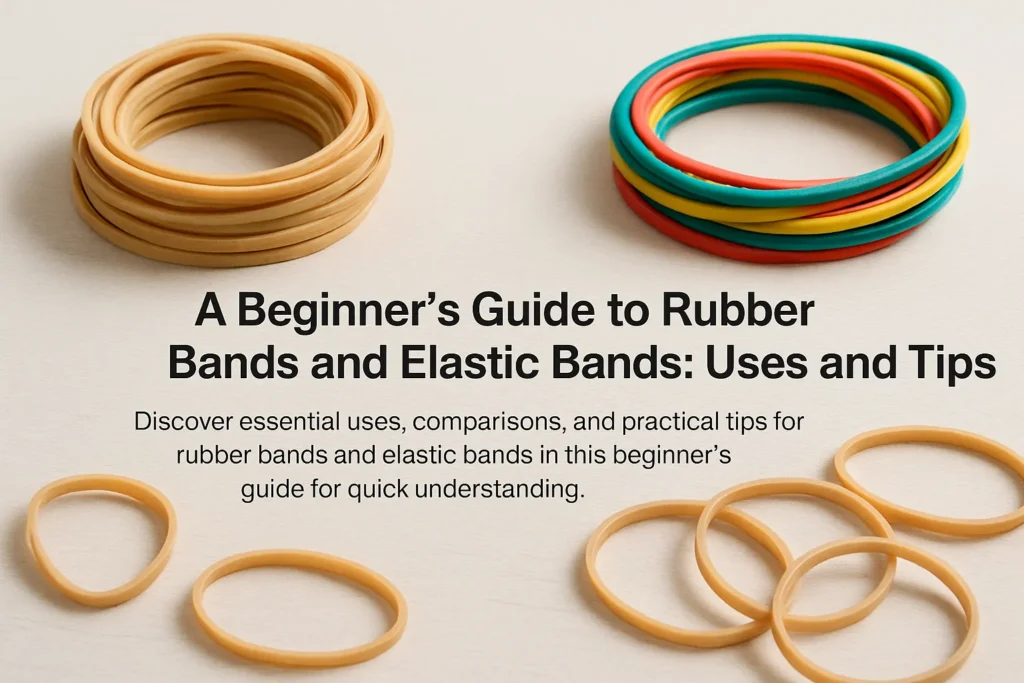
A Beginner’s Guide to Rubber Bands and Elastic Bands: Uses and Tips
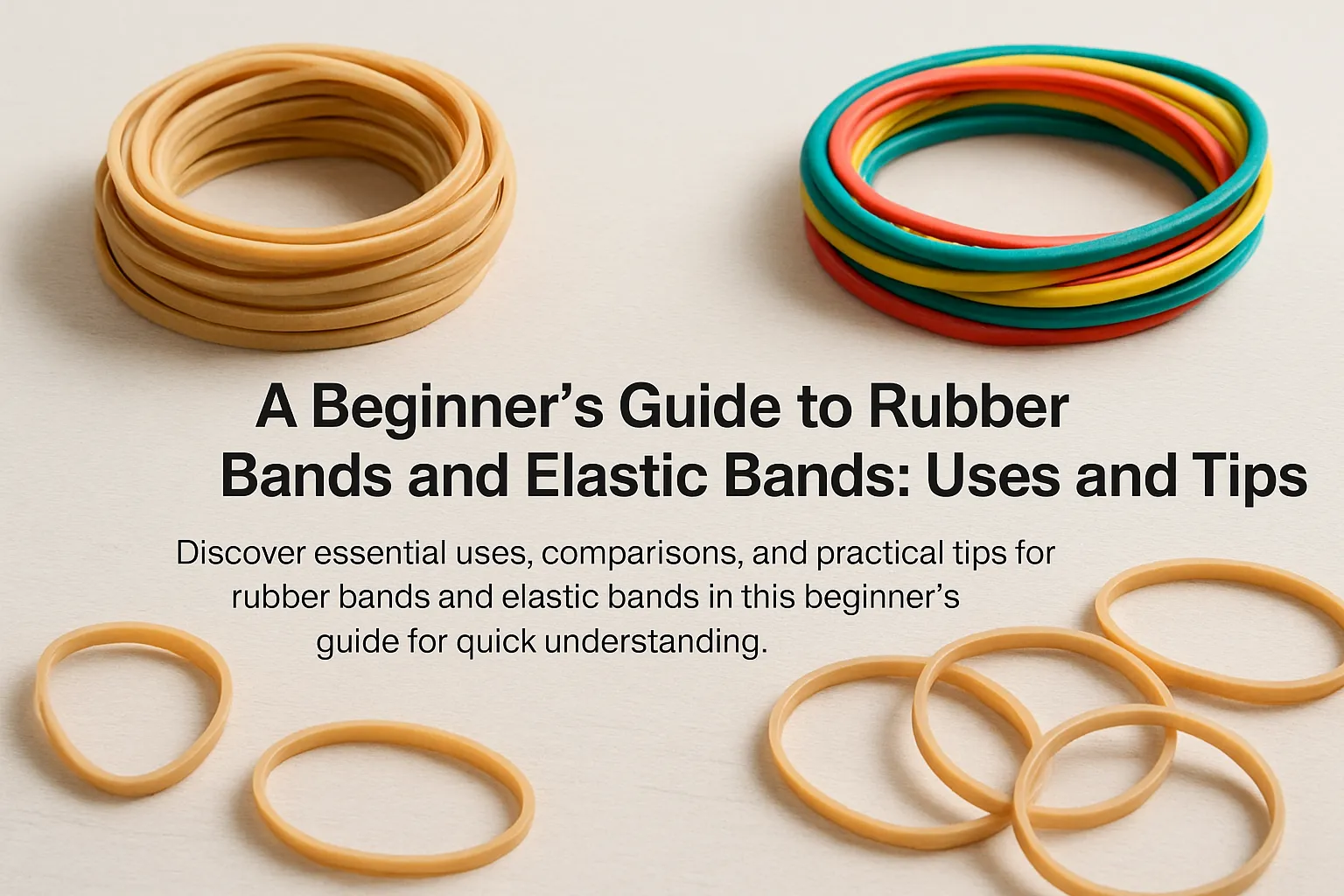
Rubber bands and elastic bands are versatile tools that enhance everyday tasks. Understanding their distinctions helps you choose the right one for your needs. While they may seem interchangeable, they serve different purposes and come in various sizes, strengths, and materials.
This guide is for beginners who want to grasp the practical applications and avoid common pitfalls of using rubber and elastic bands. By learning their key uses, you can make informed decisions that save time and effort.
Understanding Rubber Bands and Elastic Bands
Rubber bands are typically made from natural or synthetic rubber, while elastic bands may include a blend of rubber and other materials like latex or silicone. Rubber bands are commonly used for holding items together, such as stacks of paper or bundles of pens. Elastic bands are often utilized in clothing, providing a snug fit and greater durability.
When selecting between rubber and elastic bands, consider your specific needs. Rubber bands can snap if overstretched, while elastic bands are ideal for applications requiring flexibility. Both types have weight limits and maximum stretch capacities, so choose wisely to avoid breakage.
Key Uses and Practical Applications
Rubber and elastic bands can significantly enhance organization and creativity. Here are some key uses:
Office Organization
Use rubber bands to bundle loose papers or keep similar items organized. For example, group invoices by month using different colored bands to streamline document management.
Crafting
Both types are popular in crafting. Use them to create tension in projects like handmade jewelry.
- Choose the Right Size: Select bands that match your project scale.
- Experiment with Tension: Adjust tightness for different effects in weaving or knotting techniques.
Household Uses
Rubber bands can keep lids sealed on jars or grip slippery handles. In the kitchen, use them to organize utensils or fix loose cabinet doors temporarily.
Actionable Tips
- Color Coding: Use different colored bands for various categories to streamline organization.
- Reinforce Packaging: Secure opened food bags with rubber bands to maintain freshness.
Common Misconceptions
Not all rubber bands are the same. Thickness, elasticity, and durability can vary significantly, so always choose the right type for your task.
Comparison of Rubber Bands vs. Elastic Bands
Understanding their distinct characteristics can help you make informed decisions. Here’s a comparison:
| Feature | Rubber Bands | Elastic Bands |
|---|---|---|
| Durability | More durable; resistant to wear. | Less durable; may lose elasticity. |
| Elasticity | Good elasticity; degrades with age. | Superior elasticity; consistent stretch. |
| Cost | Typically cheaper. | Generally more expensive. |
| Size Range | Various sizes available. | Often limited in size. |
| Heat Resistance | Less resistant to heat. | Better performance in heat. |
| Common Uses | Bundling items, securing packages. | Applications requiring significant stretch. |
Checklist for Choosing the Right Type
- Determine Use Case: Assess what you need the band for.
- Consider Environment: Use elastic bands in high-temperature settings.
- Evaluate Durability Needs: Rubber bands often provide better longevity.
- Budget: Rubber bands are typically more cost-effective.
Common Mistakes to Avoid
Beginners often make mistakes that can lead to frustration. One frequent error is overstretching bands, which shortens their lifespan. Stretch them only to about 50-70% of their capacity for better durability.
Improper storage is another common mistake. Store rubber bands in a cool, dry place, ideally in a sealed container to prevent degradation. Mixing different sizes and types can also lead to confusion, so keep them organized.
By avoiding these pitfalls, you can extend the life of your rubber and elastic bands while ensuring they perform optimally.
常见问题 FAQ
What are the main differences between rubber bands and elastic bands?
Storage Tips: Store rubber bands in a cool, dry place away from sunlight. Use airtight containers to minimize exposure to air.
Choosing the Right Size: Measure the item you intend to secure and select a rubber band that stretches comfortably around it without excessive tension.
Safety Considerations: Be cautious when using rubber bands near children or pets, as they can snap under tension. Dispose of worn bands to prevent accidents.
Common Misconceptions: Different types of rubber bands serve specific purposes; understanding these differences helps you choose the right one.
Rubber bands are made from rubber, while elastic bands often include other materials, affecting their elasticity and durability.
How should I store rubber bands to prevent degrading?
Store them in a cool, dry place away from sunlight to prolong their lifespan.
Can rubber bands be used in food storage?
Yes, but ensure they are food-safe and avoid direct contact with food.
What sizes of rubber bands are available, and how do I choose the right one?
Rubber bands come in various sizes. Consider the specific use case to select the appropriate size.
Are there any safety concerns with using rubber bands?
Yes, avoid using them near small children or pets, as they can pose a choking hazard.