
Bagged Hair Tie RFQs: Define the Pouch Closure
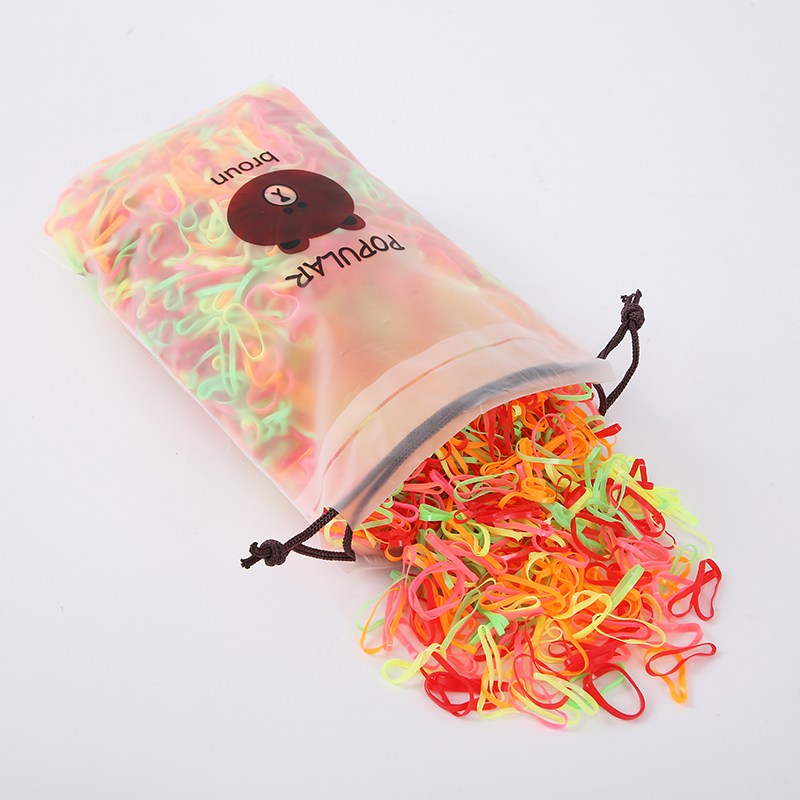
For a bagged hair-tie RFQ, identify the pouch version and ask the supplier to explain its supplied closure arrangement. The Bagged 2 catalogue images show an open pouch with cord-like ends, but do not define the opening sequence, supplied knots or closing instructions. Request that information for the quoted pack, keeping closure details separate from band material, colour assortment and quantity.
Official Bagged 2 catalogue reference showing an open printed pouch and cord-like ends. Request the closure arrangement supplied with the actual offer rather than deriving instructions from the image.
Identify the pouch as well as the hair ties
The Bagged 2 hair-tie listing shows elastic bands beside an open printed pouch. Cord-like ends are visible near the opening. For a wholesale enquiry, ask which pouch and closure arrangement belong to the quoted pack instead of treating the hair-tie description as a complete packaging specification.
Attach the selected catalogue reference and request a pouch identifier or another clear version reference. Keep it separate from the band size code and colour choice. This gives the supplier a precise packaging question without changing the meaning of the hair-tie specification.
Ask what closure arrangement is actually supplied
Request the supplier’s description of the pouch opening and the components used to close it. Ask which cord arrangement, end treatment or other relevant details are present in the offered version. Use the supplier’s own identified parts rather than constructing a mechanism description from a single photograph.
If knots or another assembled detail are supplied, request confirmation of their delivered state. If any action is left to the buyer, ask the supplier to explain that scope separately. The response should distinguish the item as delivered from a proposed arrangement that would require additional buyer work.
Closure field
Supplier response requested
Purchasing use
Pouch version
Selected pack reference
Identify the actual offering
Closure components
Named arrangement and relevant parts
Understand what is supplied
Delivered state
Assembled details and buyer actions, if any
Define the handover boundary
Instructions
Applicable opening and closing explanation
Keep the selected pack understandable
Another colour presentation from the same listing. It is a catalogue reference, not proof that its contents, quantities or closure arrangement match the selected quotation.
Request the opening and closing explanation
Ask the supplier for the procedure applicable to that pouch version. Request a reference showing the starting condition, the relevant action and the resulting condition. The written explanation should identify the parts being handled so that it remains understandable when separated from an informal sales conversation.
Keep the instruction request focused on the offered package. Do not invent a pulling direction, knotting step or release action from the loose cord-like ends in the gallery. If the supplier’s explanation leaves an action unclear, return that particular question for clarification before preparing a shortened handover.
Show the proposed filling in the pack reference
Request the closure reference with the proposed contents in place. Ask the supplier to identify the filling arrangement used in its explanation and keep it connected to the selected pack. A photograph with bands outside the pouch is useful catalogue styling, but does not define how the quoted pack will be filled and presented.
If the proposed contents or presentation change, ask whether the closure arrangement or instructions also change. Keep any revised explanation under the relevant offer. This question concerns the package configuration; the separate order quantity should remain in its own confirmed field.
Official black-band presentation. Similar compositions show colour alternatives only; they do not establish a supplied knot, closing method, safety result or a brand relationship.
Keep appearance and functional requirements distinct
Use an identified sample to discuss the pouch appearance and the closure arrangement that the supplier has described. Note whether the visible details correspond to the reference, and mark any specific discrepancy for the supplier. Keep the sample’s packaging identity attached to the quotation.
The catalogue images do not establish protection, resealing performance, durability or a safety result. If the buyer needs a particular functional evaluation, identify the requirement and appropriate evidence separately. A completed opening explanation should not be expanded into an unsupported claim about every condition in which the pack might be used.
Separate closure decisions from colour and artwork
The gallery includes bright, pastel and black-band presentations in similar pouch compositions. Keep those as colour references while asking which closure configuration applies to the selected offer. A shared printed graphic does not independently establish identical pack construction or contents.
Identify the selected pouch and quoted contents.
Record the closure arrangement and delivered state.
Retain the supplier’s applicable explanation.
Keep colour, artwork and quantity decisions on separate lines.
For a repeat offer, ask the supplier to identify any proposed packaging change. Review that change against the closure reference instead of assuming that a familiar graphic means the complete pack arrangement remains unchanged.
Send a focused pouch enquiry
Ask: “For this Bagged 2 offer, please identify the pouch and closure arrangement, state its delivered assembly condition, and provide the applicable opening and closing explanation with the proposed contents in place.” Send the request through the supplier contact page. Keep the response with the quotation; the rubber-band articles provide broader purchasing context.
Frequently asked questions
Do the cord-like ends establish the complete method?
Request the supplier’s closure description and applicable instructions for the offered pouch instead of deriving an action from the photograph.
Should supplied knots or assembled details be recorded?
Ask which details are present as delivered and whether any assembly remains within the buyer’s scope.
Does a colour alternative confirm identical packaging?
Keep its own offer reference and ask whether the pouch or closure arrangement differs. A similar presentation alone does not answer that question.
TPU elastic bandsPouch closuresPack instructions