
Rubber Band Packs: Separate Mass and Piece Count
Keep pack mass, individual band count and number of packs in separate purchasing fields. Confirm whether a rubber-band quotation is based on a mass-labelled pack, a piece-count pack or another agreed unit. A declared mass does not by itself establish how many bands are supplied. Compare offers only after the product version and the contents of each priced unit are clear.
Identify what the quoted pack actually represents
A pack can look like a simple sales unit while representing different contents across catalogue products. Purchasing may be comparing a mass-labelled bag with a bag described by individual band count. If both are entered as one pack without explanation, the price comparison can suggest equivalence that has not been established. Define the offered unit before comparing the total response.
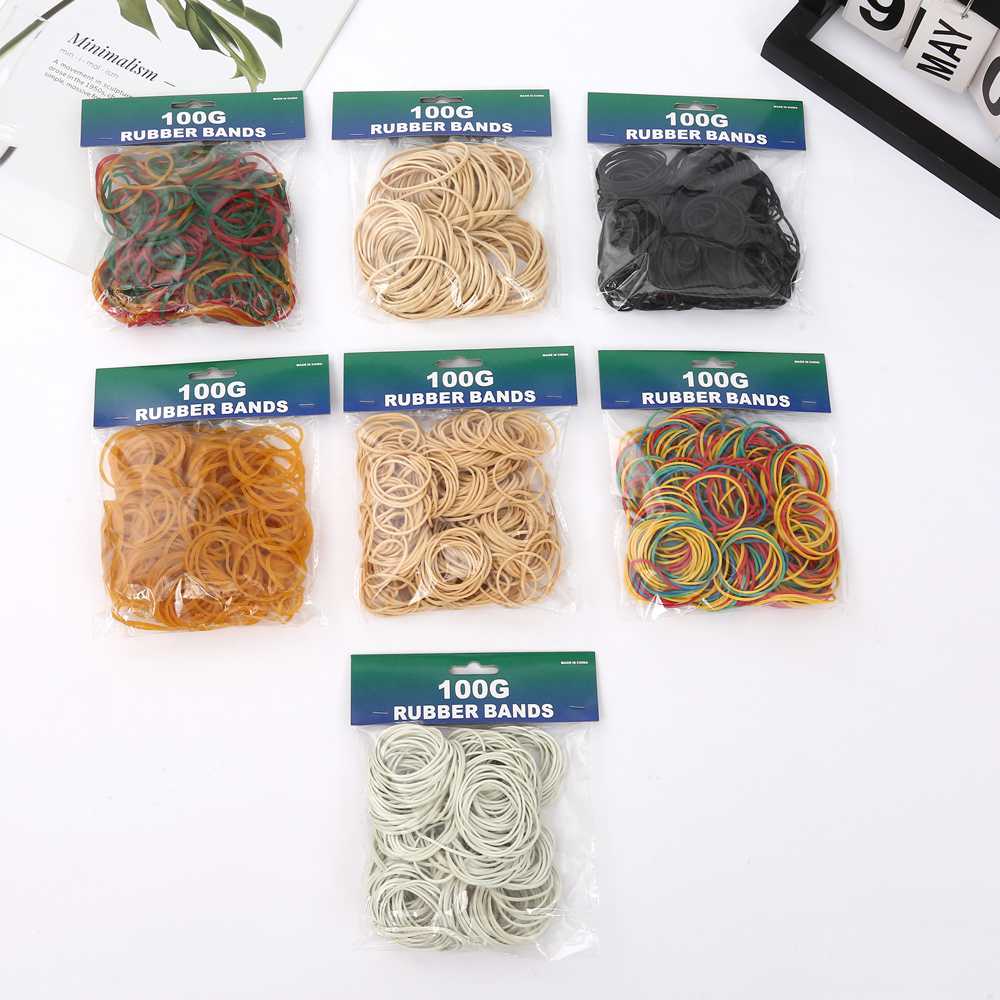
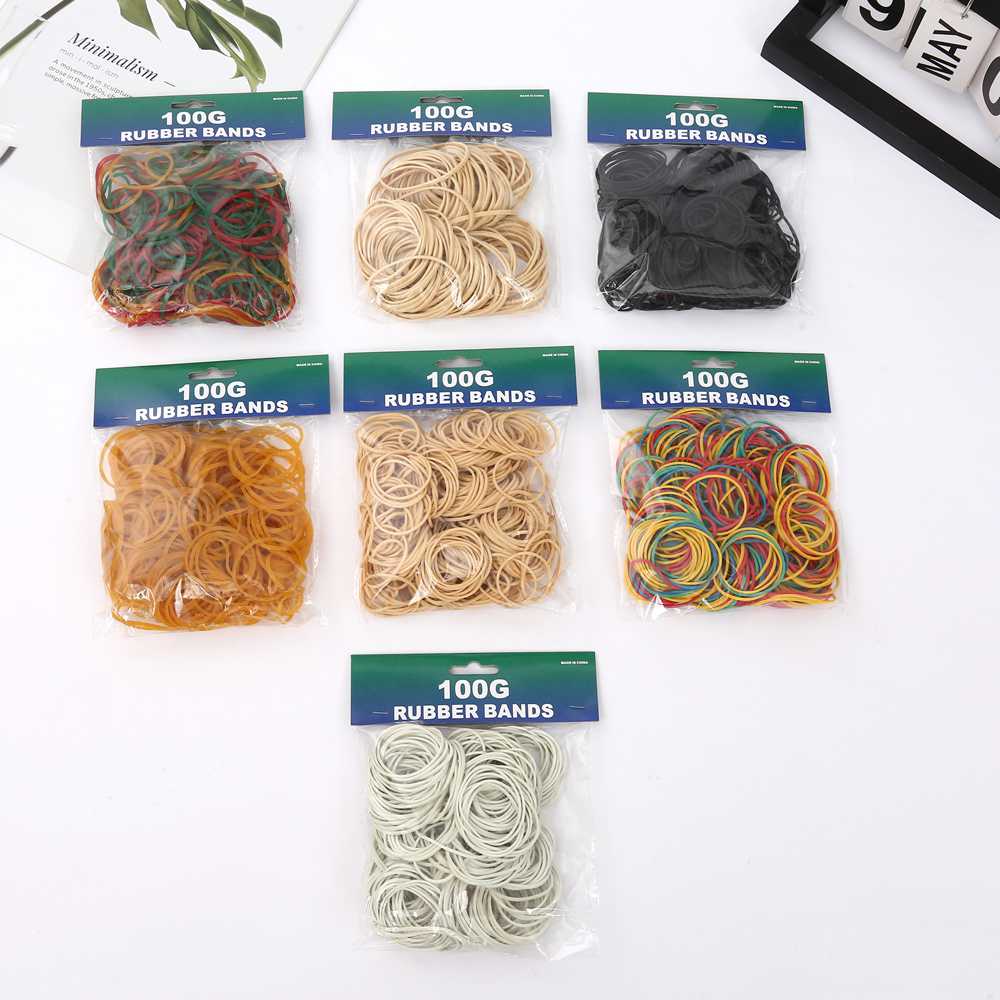
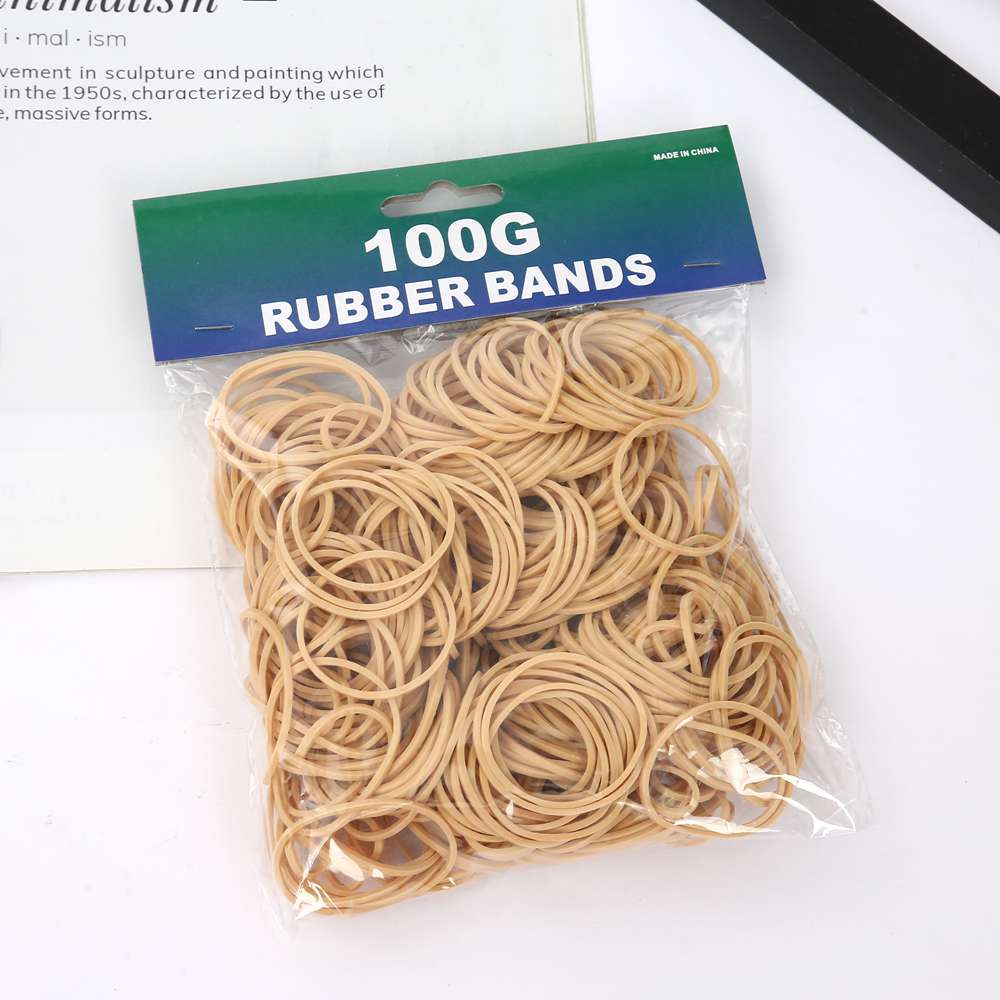
The official product listing uses a mass label in its product name and packaging photographs. the separate customized-packaging listing describes contents using a piece count. These are useful examples of different catalogue descriptions. Confirm the actual contents and product version for the current offer rather than converting either description into a universal pack standard for the supplier’s whole range.
Keep declared mass and band count apart
Ask what the stated mass covers and how it is described in the offer. Keep any packaging component separate from the band-content question. If the buyer also requires an individual band count, request that information explicitly. Do not derive a count from a product photograph or assume that packs of different band sizes contain the same number of pieces.
A piece-count offer needs its own clarification as well. Identify the band version, colour arrangement and any permitted mixture. If the supplier cannot confirm another requested quantity basis, preserve that limitation in the comparison. A blank field should not be read as agreement that a count-labelled pack and a mass-labelled pack contain equivalent quantities.
- Identify the actual product variant.
- Keep requested information separate from confirmed evidence.
- Record qualifications before the purchasing decision.
Show the relationship between packs and cartons
Separate the number of sale packs from the number of outer cartons. Ask the supplier to state how the packs will be grouped and identified for the actual order. Where several versions or colours share a shipment, connect the carton record with the relevant purchasing lines so receiving staff can locate the expected items without guessing from bag appearance.
Request the proposed label or packing description and compare it with the accepted contents schedule. The printed wording on a photographed sample can be a useful discussion reference, but it is not evidence that the current shipment has been independently counted or weighed. Agree the information and any receiving checks that the actual order needs.
Compare quotations using an explicit unit schedule
The table separates the commercial fields that a broad request for bulk rubber bands can leave unclear. It is a worksheet for an enquiry, not a report of measured pack contents. Enter the supplier’s original quantity wording before translating it into an internal purchasing unit. Keep any conversion and unresolved question beside the affected line.
If a supplier offers an alternative pack, show the difference before accepting a price comparison. A lower price can cover a different band version, a changed content basis or a different presentation. Purchasing should decide whether that alternative remains useful; the comparison should not silently promote it into the original specification because its total is attractive.
| Quantity field | What to state | Question to resolve |
|---|---|---|
| Individual band | Accepted product version | Which article is in the pack? |
| Pack contents | Mass basis or piece-count basis | What does the quoted unit contain? |
| Sale packs | Number of packs requested | Which unit is priced? |
| Outer packing | Carton grouping and identification | How do contents connect with order lines? |

Retain the accepted content basis at receipt
Keep the accepted unit schedule with the order, packing information and supplier response. At receipt, identify which unit and contents are being checked. Record observations against the relevant version and pack reference. This guide does not prescribe a universal count or weighing tolerance; any required procedure should be agreed for the actual purchasing and receiving process.
For another order, ask whether the contents basis or product version has changed before reusing the previous comparison. A familiar header card is not proof that every field remains identical. Use the current packaging and band catalogue to locate the selected family, then keep the written quantity response as the reference for what the current commercial unit is intended to contain.
Frequently Asked Questions
Can pack mass alone establish the number of bands?
No. Request a piece count separately when it is needed and keep the actual band version identified.
Does a catalogue pack label prove a receiving check?
No. It describes the pictured presentation. Agree and record any required checking of the actual supplied order separately.
Should two different pack descriptions be treated as equivalent?
Only compare them after the contents, product version and priced unit have been clarified. Preserve any remaining limitation.
What should remain in the purchasing record?
Keep the accepted unit schedule, supplier response, product identity and related packing description together for receipt and reorder.
Send the product reference and the specific open questions through supplier contact. Use the procurement article archive for the separate decisions that still need to be defined, and retain the supplier response with the accepted purchasing record.