
Rubber Band RFQs: Define the Relaxed Dimensions
Label the relaxed dimensions of a rubber band before comparing quotations. State which measurement describes the loop, which describes the strip width and which describes thickness, then ask the supplier to use the same drawing and unit. A size code or an unlabelled pair of numbers does not establish the measurement convention for the offered band.
Give the supplier an identified reference band
A rubber band enquiry often begins with a familiar size name or a small sample. That can be useful, but it leaves room for different interpretations when the reference is not labelled. Purchasing needs to know whether the supplier is matching a physical band, responding to a drawing or proposing a current catalogue size that differs from the original request.
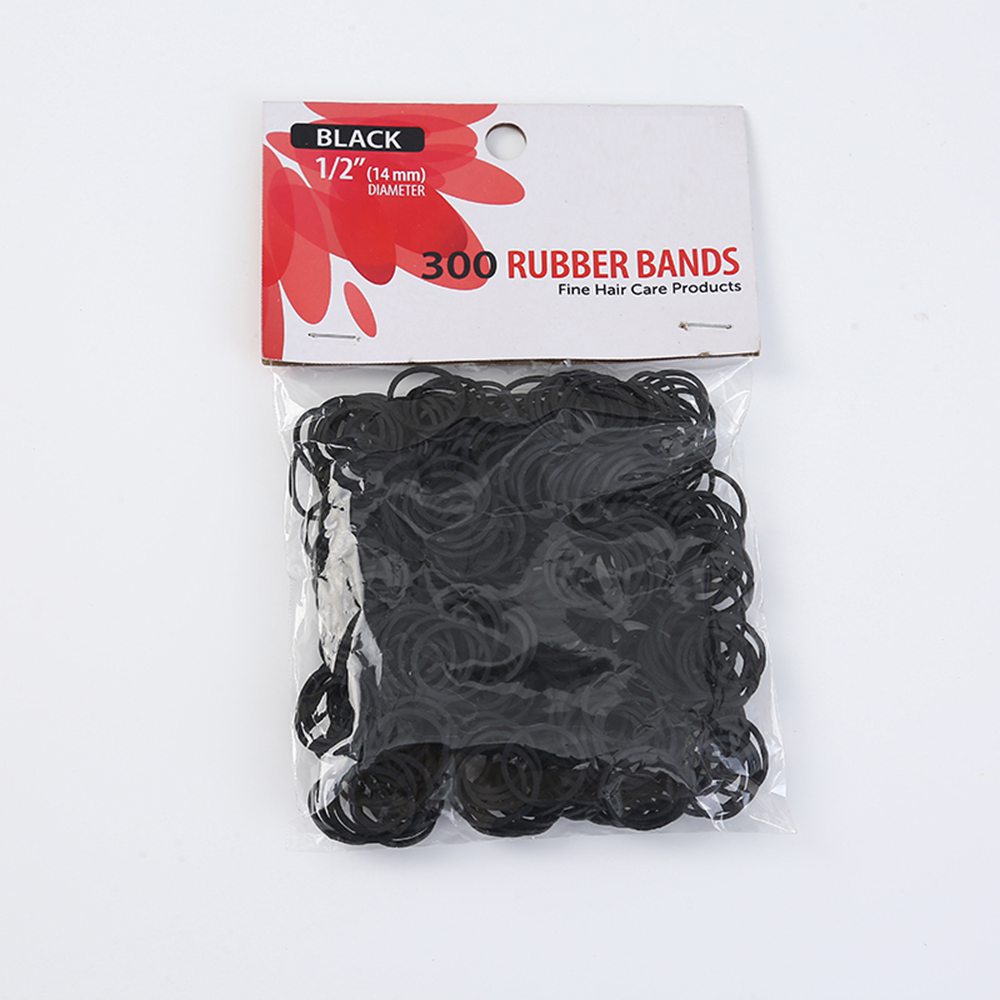
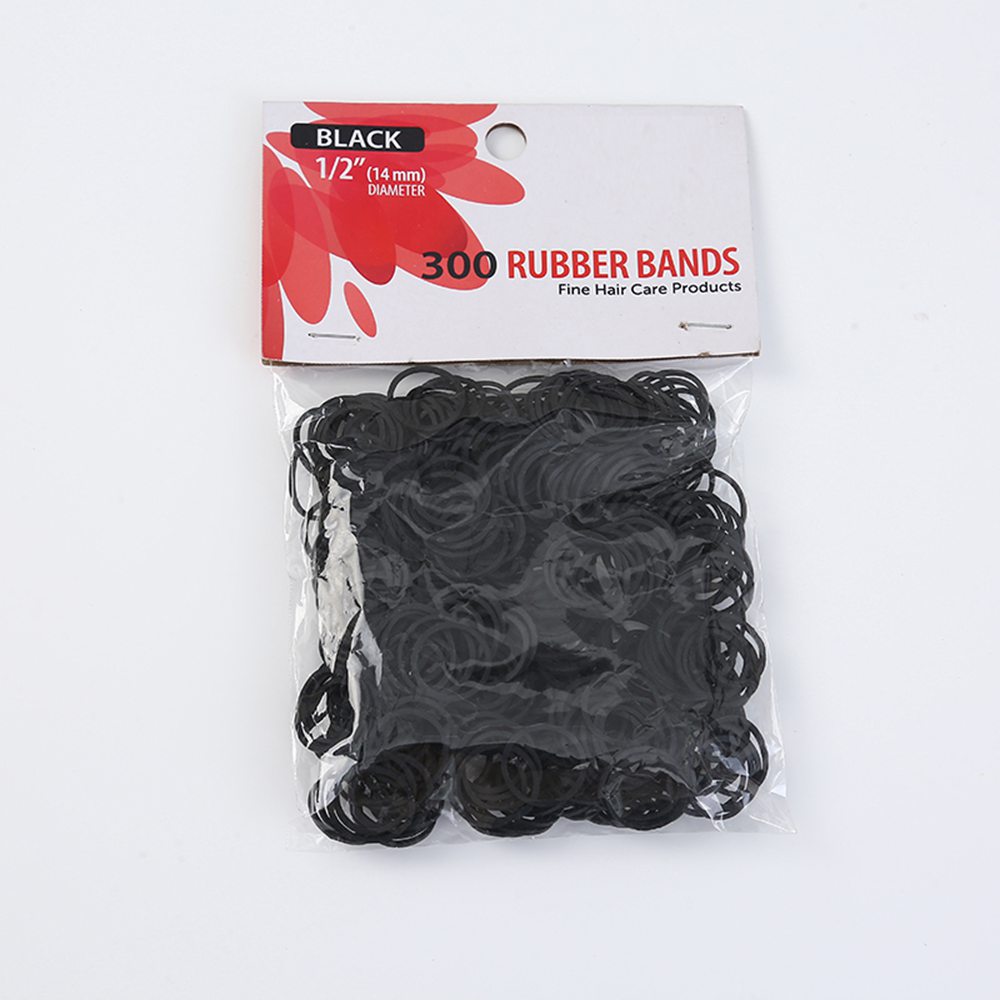
The official product listing provides an actual black-band catalogue reference. Its page uses a size code, while other Wangxing listings present paired dimensions. Neither format should be expanded into a complete technical drawing by assumption. Ask the supplier to identify the precise offered version and explain how its dimension description relates to the reference being discussed.
Separate the loop measurement from the strip section
Mark each required measurement on a drawing. Distinguish a loop measurement from the width and thickness of the band material. If the team uses a laid-flat length, identify its endpoints and state that convention. If it uses another loop measurement, name it clearly. Do not use diameter and laid-flat length interchangeably in a purchasing description.
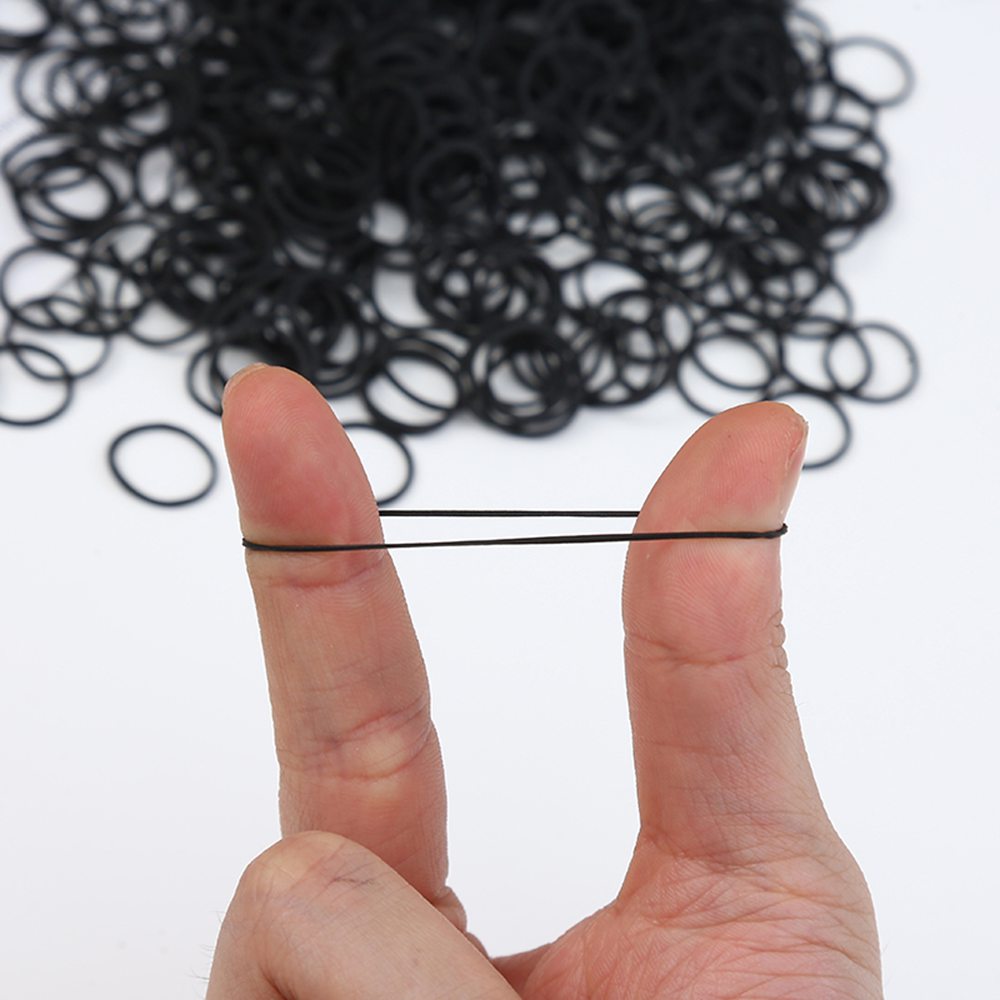
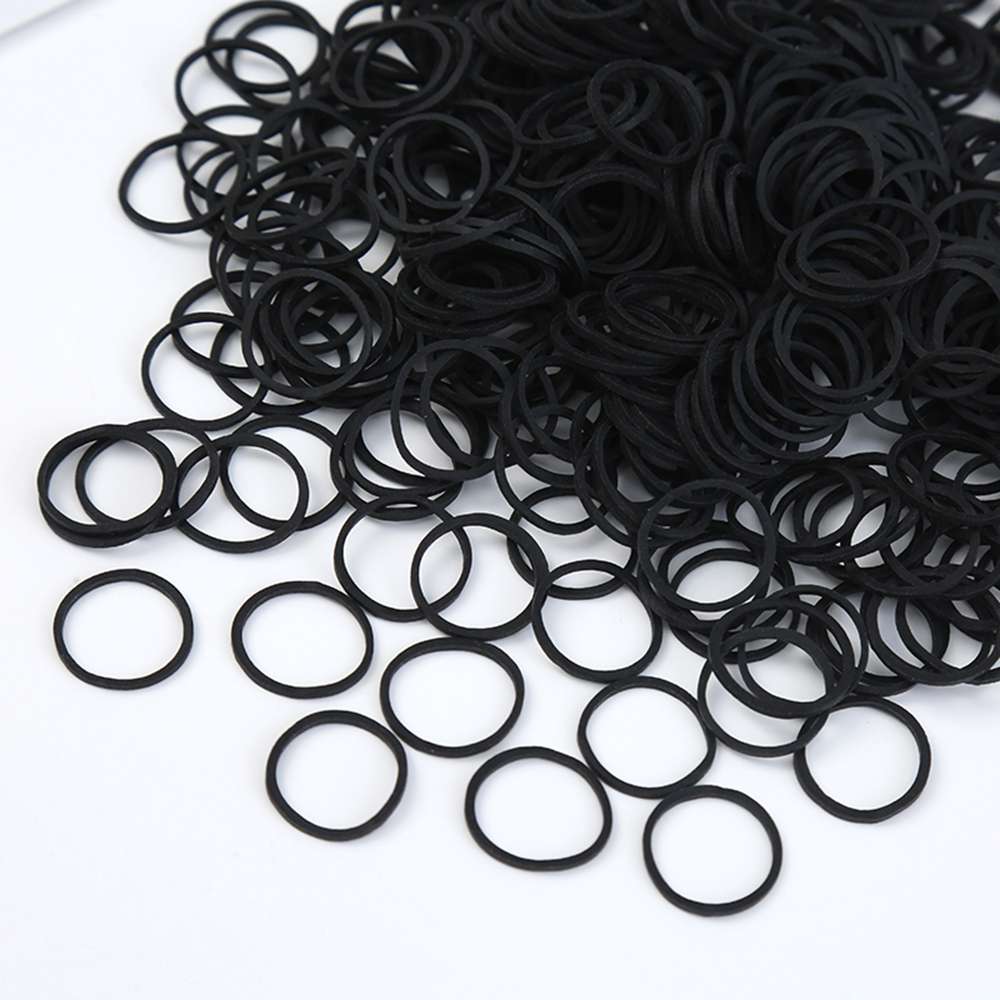
Keep the unit beside every dimensional field. Ask the supplier to return the offered values against those same labels rather than sending an unannotated size code. A photograph of a loose band can help identify the article, but its apparent size depends on the view and does not provide a reliable scale for a dimensional agreement.
- Identify the actual product variant.
- Keep requested information separate from confirmed evidence.
- Record qualifications before the purchasing decision.
Describe the condition of the measurement
State that the drawing concerns the intended relaxed reference rather than a band stretched around an object. Ask the relevant parties to agree how the sample will be positioned and measured for the purchasing review. This guide does not prescribe a technical conditioning method or numerical tolerance for every rubber-band material. Those requirements need an applicable agreement.
Keep any required dimensional limits separate from the supplier’s proposed values. If the enquiry does not yet define a limit, leave that field open rather than inventing one from a general buying guide. The objective is a clear, repeatable conversation about the selected article, not a claim that the catalogue band has already passed a particular measurement procedure.
Compare the offered drawing with the enquiry
The worksheet below gives purchasing fields to exchange. It does not report measured values for the pictured product. Ask the supplier to identify each proposed difference and to connect its response with a product or sample reference. This prevents an apparently simple confirmation of size from concealing a different loop measurement or strip section.
Where a current catalogue alternative is offered, retain it as a separate version until the buyer has reviewed it. Do the same for a changed material declaration or colour. A similar visual appearance does not establish that the same dimensional record applies. Keep commercial comparison on hold for any field that changes the identity of the article being quoted.
| Drawing field | Buyer identifies | Supplier confirms |
|---|---|---|
| Loop measurement | Named convention and endpoints | Offered value using the same convention |
| Strip width | Separate labelled direction | Value and any offered difference |
| Thickness | Separate section reference | Applicable specification or open question |
| Reference state | Sample identity and agreed positioning | Measurement scope and limitations |
Retain the drawing with the accepted sample
After the relevant review, save the accepted drawing revision, supplier response and sample identifier together. If a physical reference was used, agree how it will be retained and identified for later discussions. The order description should point to that record rather than merely repeating the original search term or a size name that different teams may interpret differently.
For a reorder, ask whether the offered band or dimension convention has changed. A dimensional approval does not establish stretch performance, a load rating, food-contact suitability or a material-specific safety claim. Those questions require their own relevant evidence. The current rubber-band catalogue is useful for locating candidate products, while the labelled drawing controls the specific size enquiry.
Frequently Asked Questions
Can a size code replace the drawing?
Use it as a product reference and ask how it maps to the required measurements. It does not automatically resolve every dimensional field.
Are laid-flat length and diameter the same description?
No. Name the convention and show its endpoints so that the supplier can respond without guessing.
Should the buyer estimate thickness from a product photograph?
No. Request an applicable value or measurement for the actual offered version. A photograph is an identification aid, not a scale drawing.
Does dimensional acceptance establish a safe stretch limit?
No. Keep any application-specific performance or safety requirement separate and request suitable evidence for it.
Send the product reference and the specific open questions through supplier contact. Use the procurement article archive for the separate decisions that still need to be defined, and retain the supplier response with the accepted purchasing record.